Understanding Skyactiv Technology
November 25 2019,
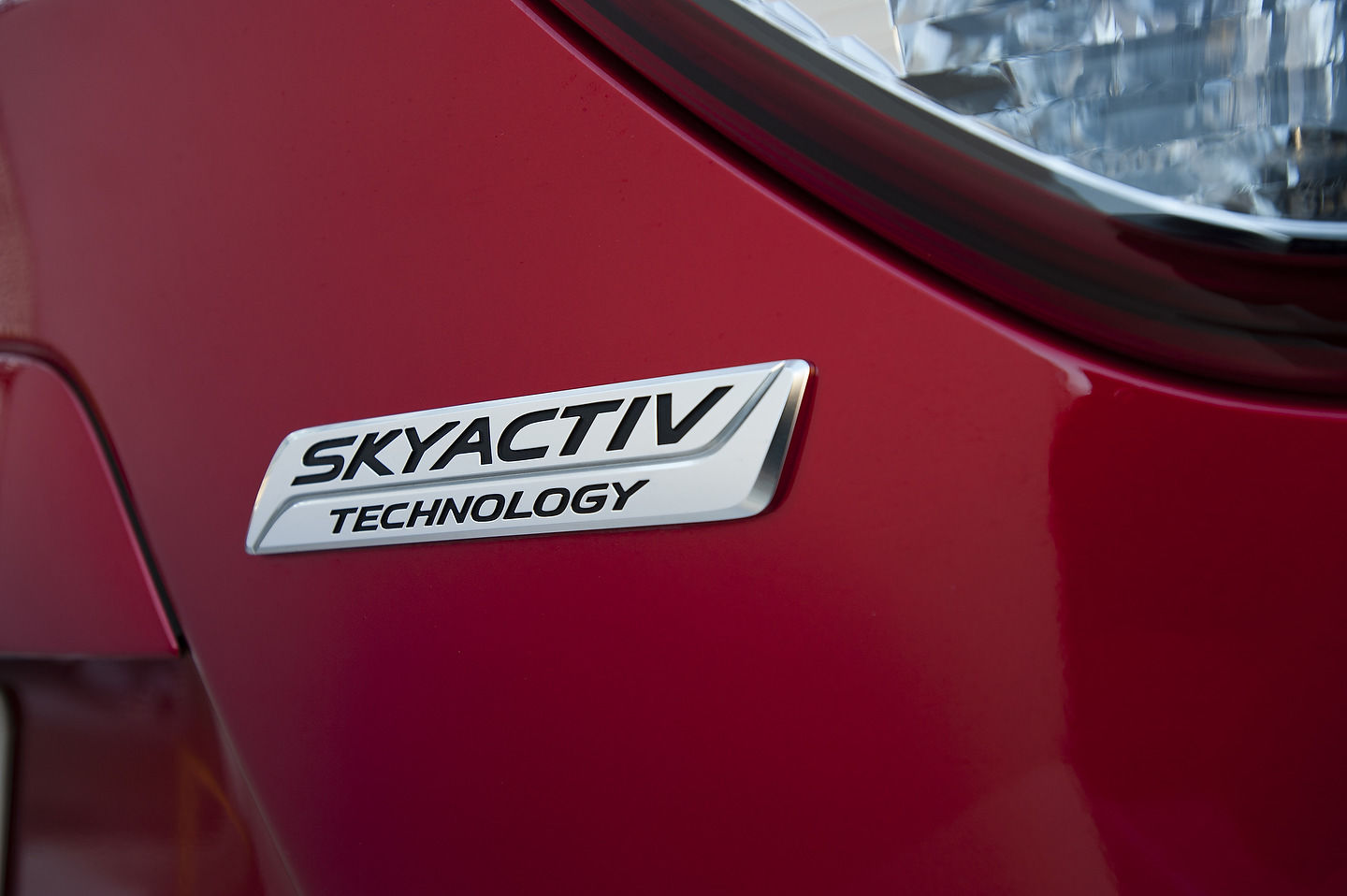
Skyactiv Technology exists to create a bond between vehicle and driver
In a very short timeframe, Skyactiv has gone from being solely an engineering strategy and has evolved into a mindset, a way of life for Mazda. As Mazda continues to believe firmly in the pleasure that is derived from driving, we call the pursuit of driving oneness Skyactiv.
There is an old Japanese principle called Jinba Ittai, or horse and rider as one, that serves as a guiding light to achieve this goal. To do so, Mazda has not simply revised their engines or updated platforms – every aspect of the automobile has been rethought with performance, efficiency, comfort and design in mind to enhance the driving experience.
Each Mazda vehicle is built upon a thoroughly modern Skyactiv body which serves at the foundation for everything. The rigid and lightweight structures serve not only as the basis for handling but create one of the safest vehicles in the world.
On this body is assembled a Skyactiv chassis. The greatest, most difficult trick to achieve in the way a car drives is finding the perfect balance between comfort and handling. Each Mazda vehicle is endowed with harmoniously balanced steering and suspension tuning. All will notice the moment they drive off.
Powertrains are the backbone of driving pleasure. This is why Mazda’s line of Skyactiv engines are severely upgraded to provide class-leading fuel economy as well as output. Our Skyactiv-G petrol and Skyactiv-D diesel engines are designed to generate generous power thanks to highly advanced and elevated compression ratios. The turbocharged alternatives feature state-of-art technologies for maximum efficiency and performance.
Sending the power to the drive wheels is a pair of Skyactiv transmission. The 6-speed manual, inspired in functionality by the superb Mazda MX-5’s unit, is smaller, lighter, more effective and with short throws for the sportiest drive. The 6-speed Skyactiv drive automatic transmission combines the best elements of conventional automatic, continuously variable, and dual clutch transmissions into one for responsive and economical driving fun.
With everything in place, Skyactiv Vehicle Dynamics with G-Vectoring Control (GVC) boosts the sporty driving experience but it’s not only about handling. Part of the Jinba Ittai principle is that occupants must be comfortable. Mazda has studied the biomechanical relationship between occupants and vehicle and fine-tuned the engineering systems to maximize as seamless an interaction between the two as possible.
As you can see, Skyactiv technology is about the driving experience but with a far broader approach than all other manufacturers. Mazda has incorporated its principals into all of its vehicles – a test drive will be very convincing.